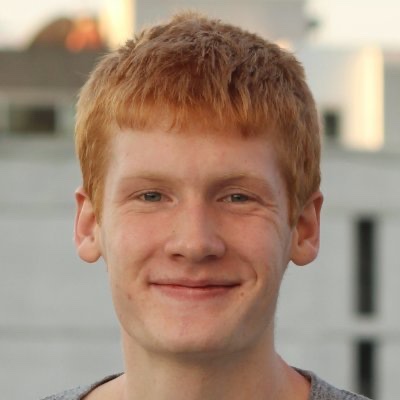
Vlad Tenev
Bulgarian Immigrant Who Democratized Trading
The lab's read
Make the complex accessible
Tenev's story asks what happens when democratized access meets financial incentives the user cannot see. Robinhood removed the commission barrier and became a systemically important platform, then discovered that access without trust is fragile. The file documents both the demand for open markets and the cost of the infrastructure choices made to serve it.
From Bulgaria to Virginia
Vladimir Tenev was born in Varna, Bulgaria in 1987. When he was 5, his parents, both economists, immigrated to the United States with little money and fragile visa status. They eventually found work at the World Bank.
At Thomas Jefferson High School for Science and Technology, one of America's most prestigious public schools, Tenev excelled. He went on to Stanford, where he met Baiju Bhatt, a fellow child of immigrants who would become his co-founder.
My parents' status as visa holders always seemed fragile. They had taken this huge risk leaving Bulgaria and their support system, leaving just in time, right before the economy collapsed.
The Occupy Wall Street Insight
After completing their master's degrees in mathematics at Stanford, Tenev started a PhD at UCLA while Bhatt joined a trading firm. When Lehman Brothers collapsed in 2008, Bhatt convinced Tenev to drop out.
They started two finance companies, Celeris and Chronos Research, building high-frequency trading software for Wall Street. The irony wasn't lost on them: they were making tools for the very institutions that regular people couldn't access.
Watching Occupy Wall Street, Tenev and Bhatt realized something: the anger wasn't just about bailouts. It was about a system that felt rigged, where regular people couldn't participate in markets that shaped their lives.
Commission-Free Trading
In 2013, Tenev and Bhatt launched Robinhood with a radical proposition: commission-free stock trading. Traditional brokers charged $7-10 per trade. Robinhood charged nothing.
The app was beautiful, designed to feel like a game, not a financial institution. Confetti fell when you made your first trade. The interface was simple enough for anyone to understand.
Index Ventures invested $500,000 in the seed round. The bet paid off, Robinhood became the platform through which millions made their first investment.
Traditional Brokers:
$7-10 per trade, complex interfaces
Robinhood:
$0 commission, simple mobile-first design
The GameStop Storm
In January 2021, Robinhood was at the center of the GameStop short squeeze, one of the most dramatic events in retail trading history. When Robinhood temporarily restricted trading of certain stocks, outrage erupted.
Tenev testified before Congress. He apologized for the confusion but maintained the company had followed the rules. The episode damaged Robinhood's brand but also proved something: retail investors had become a force that couldn't be ignored.
$32B
IPO Valuation
23M+
Funded Accounts
34
Age at IPO
What to keep
Democratize access
When something is locked behind complexity or fees, simplifying access creates enormous value. The best businesses remove barriers.
Ride the emotional wave
Occupy Wall Street created the emotional backdrop. Tenev built the tool that let people act on those feelings productively.
Consumer experience wins
Financial services are often ugly and confusing. A beautiful, simple app became Robinhood's biggest competitive advantage.
Survive the storms
GameStop could have destroyed Robinhood. Instead, the company went public months later. Resilience under fire defines lasting companies.